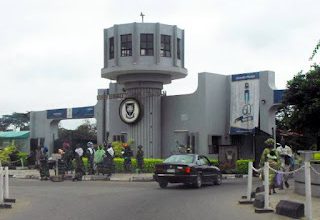
Nigeria is a country rich in diversity, with a vibrant tapestry of cultures, languages, and traditions. Understanding the intricacies of Nigeria’s people and culture is crucial for anyone seeking to appreciate the nation’s uniqueness. In this blog post, we will be considering 50 Questions on The course Nigeria People and Culture, this questions will help you understand and have a good performance in the GST-113 examination.

JOIN UNIDEL GENERAL WHATSAPP GROUP: Click Here To Join_
In this group, you will have access to free lecture material, past questions, and general Unidel updates.
you will also have access to free seminars on web design, coding, online earning tips for students, and more
1. Which of the following ethnic groups is the largest in Nigeria?
a) Yoruba
b) Igbo
c) Hausa-Fulani
d) Ijaw
2. Nigeria is often referred to as the “Giant of Africa” due to:
a) Its large population
b) Its economic strength
c) Its geographical size
d) All of the above
3. The official language of Nigeria is:
a) Yoruba
b) Hausa
c) English
d) Igbo
4. The capital city of Nigeria is:
a) Lagos
b) Abuja
c) Kano
d) Enugu
5. Which river is the longest in Nigeria?
a) Niger River
b) Benue River
c) Ogun River
d) Osun River
6. Fela Kuti, the pioneer of Afrobeat music, hails from which ethnic group?
a) Yoruba
b) Igbo
c) Hausa
d) Efik
7. What is the dominant religion in Northern Nigeria?
a) Christianity
b) Islam
c) Traditional African religions
d) Hinduism
8. The festival of Eid-el-Fitr is associated with which religion?
a) Christianity
b) Islam
c) Traditional African religions
d) Buddhism
9. Nigeria gained independence from British colonial rule in:
a) 1950
b) 1960
c) 1970
d) 1980
10. The Nok civilization, known for its distinctive terracotta sculptures, flourished in what is now:
a) Lagos
b) Sokoto
c) Benin City
d) Jos
11. Chinua Achebe, the acclaimed author of “Things Fall Apart,” belongs to which ethnic group?
a) Yoruba
b) Igbo
c) Hausa
d) Ibibio
12. Which of the following is a traditional Nigerian dance?
a) Samba
b) Bata
c) Flamenco
d) Hula
13. The Ooni of Ife is a traditional ruler from which state in Nigeria?
a) Oyo
b) Osun
c) Edo
d) Ogun
14. Nigeria’s film industry, Nollywood, is the second-largest in the world after:
a) Hollywood
b) Bollywood
c) Chinese cinema
d) French cinema
15. In Nigerian folklore, Anansi is a:
a) God of thunder
b) Trickster spider
c) Warrior queen
d) River goddess
16. What is the traditional attire worn by Yoruba men?
a) Dashiki
b) Agbada
c) Kaftan
d) Buba and Sokoto
17. The Niger Delta region is known for:
a) Oil production
b) Gold mining
c) Cocoa farming
d) Cotton cultivation
18. Who is considered the father of Nigerian modern art?
a) Bruce Onobrakpeya
b) Ben Enwonwu
c) Yusuf Grillo
d) Chinwe Chukwuogo-Roy
19. Which Nigerian city is famous for its ancient wall and gate, known as the ‘Ganuwa’?
a) Kano
b) Ibadan
c) Calabar
d) Jos
20. The traditional wrestling festival known as “Dambe” is associated with which ethnic group?
a) Igbo
b) Yoruba
c) Hausa
d) Tiv
21. Nigeria’s first president, Nnamdi Azikiwe, was from which ethnic group?
a) Yoruba
b) Igbo
c) Hausa
d) Ijaw
22. Which Nigerian writer won the Nobel Prize in Literature in 1986?
a) Wole Soyinka
b) Chinua Achebe
c) Chimamanda Ngozi Adichie
d) Buchi Emecheta
23. The Yoruba goddess of fertility and love is called:
a) Oya
b) Osun
c) Yemoja
d) Obatala
24. The traditional Igbo wrestling festival is known as:
a) Dambe
b) Kokawa
c) Nkwerre
d) Ikenga
25. Nigeria’s highest mountain, Chappal Waddi, is located in which state?
a) Adamawa
b) Plateau
c) Bauchi
d) Taraba
26. The Benin Kingdom is famous for its:
a) Brass sculptures
b) Stone carvings
c) Ivory trade
d) Textile industry
27. Which of the following is a traditional Igbo masquerade?
a) Gelede
b) Egungun
c) Mmanwu
d) Eyo
28. The Nigerian currency is called:
a) Peso
b) Naira
c) Rand
d) Cedi
29. Which river serves as the boundary between Nigeria and Cameroon?
a) River Niger
b) Benue River
c) Cross River
d) Chad River
30. The “Oshogbo School” of art is associated with the town of:
a) Benin City
b) Oshogbo
c) Ile-Ife
d) Abeokuta
31. Hausa architecture is characterized by:
a) Mud-brick walls
b) Stone structures
c) Bamboo houses
d) Wooden huts
32. The Igbo people celebrate the “New Yam Festival” to:
a) Mark the end of the planting season
b) Honor the god of thunder
c) Commemorate a historic battle
d) Welcome a new king
33. Femi Kuti, a prominent musician and son of Fela Kuti, is known for playing:
a) Juju music
b) Highlife music
c) Afrobeat music
d) Apala music
34. Nigeria’s most populous city is:
a) Abuja
b) Kano
c) Lagos
d) Port Harcourt
35. The traditional marriage ceremony in Yoruba culture is called:
a) Igbeyawo
b) Igba Nkwu
c) Itu Ufia
d) Iru Ulobi
36. The traditional ruler of the Igbo people is called:
a) Emir
b) Oba
c) Ooni
d) Igwe
37. Zuma Rock, a famous geological formation, is located in:
a) Niger State
b) Enugu State
c) Ekiti State
d) Abia State
38. Which Nigerian artist is known for his “watercolor realism” technique?
a) Yusuf Grillo
b) Kolade Oshinowo
c) Ben Enwonwu
d) Chinwe Ch
39. The cultural practice of facial scarification is commonly associated with which Nigerian ethnic group?
a) Ijaw
b) Nupe
c) Kanuri
d) Yoruba
40. Nigeria’s first female chartered accountant, Chief Funmilayo Ransome-Kuti, is also renowned for her activism in:
a) Women’s rights
b) Environmental conservation
c) Sports development
d) Educational reform
41. The famous Oshun-Osogbo Sacred Grove, a UNESCO World Heritage Site, is located in which state?
a) Oyo
b) Osun
c) Ogun
d) Ekiti
42. Nigeria’s national anthem was composed by:
a) Fela Kuti
b) Ben Enwonwu
c) Samuel Akpabot
d) T.Y. Danjuma
43. The traditional dance associated with the Efik people is called:
a) Ekombi
b) Bata
c) Shaku Shaku
d) Koko Dance
44. The “Wazobia” concept in Nigerian pidgin language represents the unity of:
a) Three major ethnic groups
b) Four cardinal points
c) Five geopolitical zones
d) Six geopolitical zones
45. The Oba of Lagos is a prominent traditional ruler in which ethnic group?
a) Yoruba
b) Igbo
c) Hausa
d) Tiv
46. The Nigerian traditional title of “Eze” is equivalent to:
a) Oba
b) Emir
c) Igwe
d) Sultan
47. Which Nigerian artist is famous for his “Adire” textile designs?
a) Nike Okundaye
b) Bruce Onobrakpeya
c) Twins Seven-Seven
d) El Anatsui
48. Nigeria’s first female novelist, Flora Nwapa, is best known for her work titled:
a) “Things Fall Apart”
b) “Efuru”
c) “The Man Died”
d) “Jagua Nana”
49. The cultural practice of “Tiv Kwagh-Hir” involves:
a) Horse racing
b) Masquerade performances
c) Fishing festivals
d) Wrestling competitions
50. Nigeria’s first Prime Minister, Abubakar Tafawa Balewa, was a prominent figure from which political party?
a) All Progressives Congress (APC)
b) Action Congress of Nigeria (ACN)
c) Nigerian People’s Congress (NPC)
d) People’s Democratic Party (PDP)
ANSWERS
1. c) Hausa-Fulani
2. d) All of the above
3. c) English
4. b) Abuja
5. a) Niger River
6. a) Yoruba
7. b) Islam
8. b) Islam
9. b) 1960
10. d) Jos
11. b) Igbo
12. b) Bata
13. b) Osun
14. a) Hollywood
15. b) Trickster spider
16. b) Agbada
17. a) Oil production
18. b) Ben Enwonwu
19. a) Kano
20. c) Hausa
21. b) Igbo
22. a) Wole Soyinka
23. b) Osun
24. d) Ikenga
25. a) Adamawa
26. a) Brass sculptures
27. c) Mmanwu
28. b) Naira
29. c) Cross River
30. b) Oshogbo
31. a) Mud-brick walls
32. a) Mark the end of the planting season
33. c) Afrobeat music
34. c) Lagos
35. a) Igbeyawo
36. d) Igwe
37. a) Niger State
38. b) Kolade Oshinowo
39. d) Yoruba
40. a) Women’s rights
41. b) Osun
42. c) Samuel Akpabot
43. a) Ekombi
44. b) Four cardinal points
45. a) Yoruba
46. a) Oba
47. a) Nike Okundaye
48. b) “Efuru”
49. b) Masquerade performances
50. c) Nigerian People’s Congress (NPC)
Conclusion:
We hope this set of 50 multiple-choice questions has not only challenged your knowledge of Nigeria’s people and culture but also inspired you to delve deeper into the rich tapestry of the nation’s history, traditions, and diversity. Nigeria’s cultural wealth is a testament to the vibrancy of the African continent, and understanding it is key to fostering appreciation and respect for the nation and its people.